

GUANGXI, CHINA - ASTARI, a subsidiary of Poni Group, has explored mangrove restoration, sustainable aquaculture and blue carbon research through visits to four sites in Guangxi, China, gaining insights into approaches that could inform future coastal restoration initiatives in Brunei.
The visits brought together ASTARI General Manager Jean-Brieuc and Marine Ecologist Alice Lee, who engaged with researchers and project leads to learn about mangrove conservation, ecosystem recovery and the application of science in developing practical environmental solutions.
The programme follows ASTARI's recent memorandum of understanding (MOU) with the Guangxi Academy of Sciences and builds on Poni Group's collaboration with 4IO, creating opportunities for knowledge exchange and potential cooperation in mangrove restoration and sustainable aquaculture.
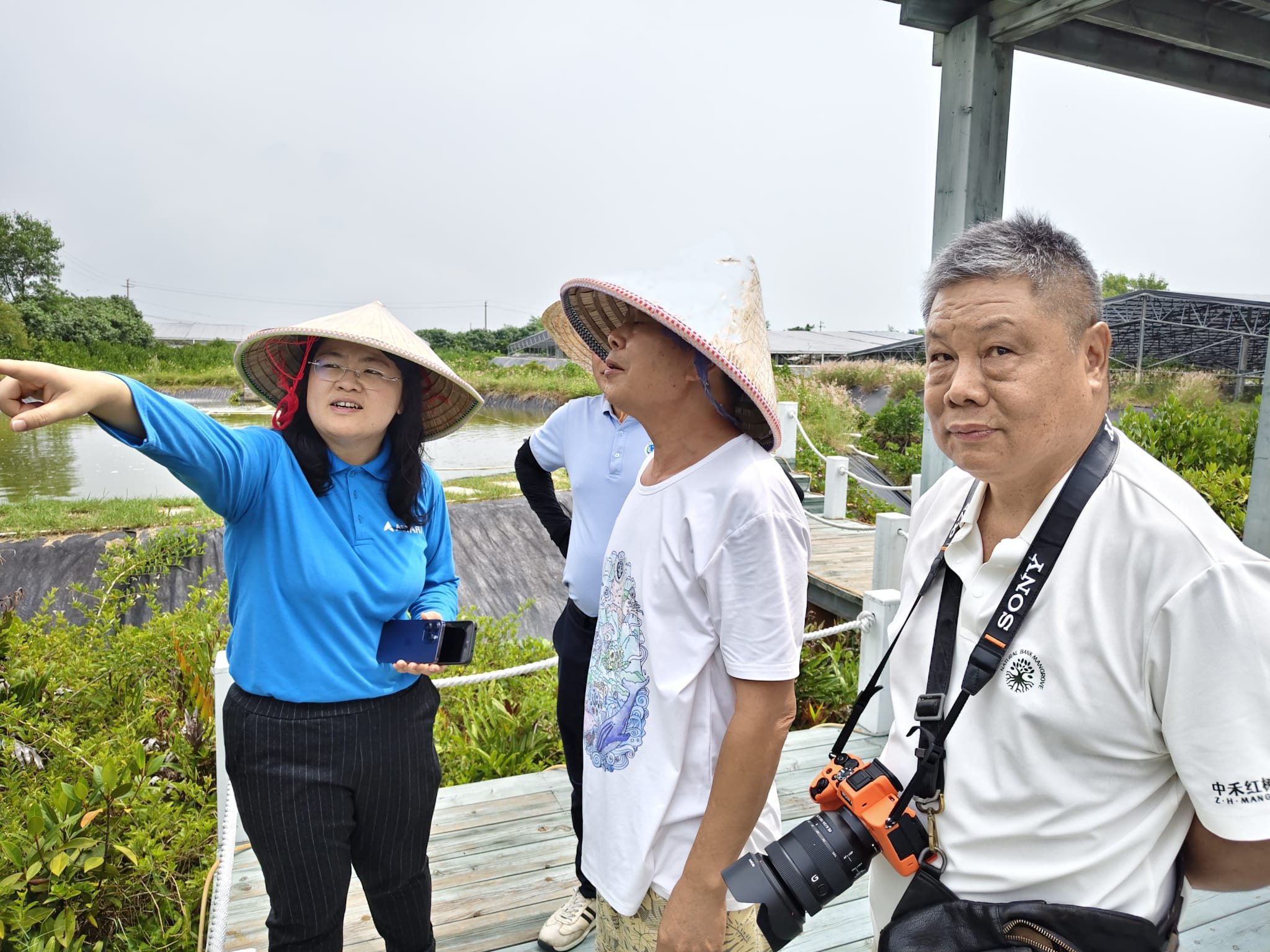
At the Coastal Wetland Conservation and Utilization Base of the Guangxi Academy of Sciences, the ASTARI representatives explored approaches to restoring former shrimp ponds and integrating low-impact aquaculture with wetland systems. These systems use natural processes to help filter water, demonstrating how aquaculture and ecosystem restoration can be incorporated into a more environmentally conscious approach to coastal resource management.
The facility also provides opportunities for school groups, policymakers and researchers to engage with restoration activities and learn about mangrove ecosystems. Its specialised greenhouse, which simulates tropical mangrove environments, further supports research into mangrove growth, environmental resilience and the responses of different species to changing conditions.
The visit offered an opportunity to examine how research facilities can contribute not only to scientific understanding but also to education and the practical application of restoration techniques.
From abandoned shrimp ponds to thriving ecosystems
A second visit took the ASTARI team to the Shrimp Pond Mangrove Blue Carbon Eco-Farm in Haitang, a long-term research and implementation project that transforms abandoned shrimp ponds into restored mangrove ecosystems beyond conservation.
Recognised by the United Nations Environment Programme (UNEP), the initiative demonstrates how nature-based solutions can support biodiversity recovery, blue carbon storage, sustainable aquaculture and local livelihoods.
The project combines restoration with research and monitoring, supported by government and private-sector funding. Its development also highlights the importance of community participation in implementing environmental initiatives at scale.
More than 2,000 community members are involved in the project, with participation expected to reach approximately 4,000 by the end of 2026. The project is also working towards completion ahead of its planned official opening in 2027.
For ASTARI, the eco-farm offered a practical example of how restoration efforts can extend beyond ecological recovery to generate wider social and economic benefits. It also highlighted the importance of long-term planning in developing restoration models that can be adapted to other locations.
The experience is particularly relevant to efforts to explore similar approaches in Brunei, where locally appropriate solutions must account for environmental conditions, land use, operational requirements and the needs of prospective partners.
Advancing mangrove research and environmental monitoring
At the Guangxi Mangrove Research Center, the ASTARI representatives were hosted by Professor Zhou Haolang and toured the centre's mangrove ecology simulation laboratory and artificial wetland plantation.
The facilities support experiments involving mangrove transplantation and the monitoring of water conditions under simulated environmental settings. Such research helps improve understanding of mangrove growth, environmental responses and the ecological processes that influence the success of restoration projects.
By studying how mangroves respond to different conditions, researchers can gather evidence to guide species selection, planting methods and site management. These considerations are important for improving restoration outcomes and ensuring that projects are suited to the conditions in which they are implemented.
The visit also underscored the value of scientific research in informing restoration decisions, particularly where projects require careful consideration of water quality, ecosystem dynamics and the long-term recovery of coastal habitats.
Alice Lee had also previously visited the centre's museum, which houses an extensive collection showcasing the biodiversity associated with mangrove ecosystems. The collection provides further insight into the ecological importance of mangroves and the interconnected species and habitats they support.
Together, the research facilities and educational resources illustrated how scientific study and knowledge sharing can contribute to more informed conservation practices.
Learning from 4IO's restoration work
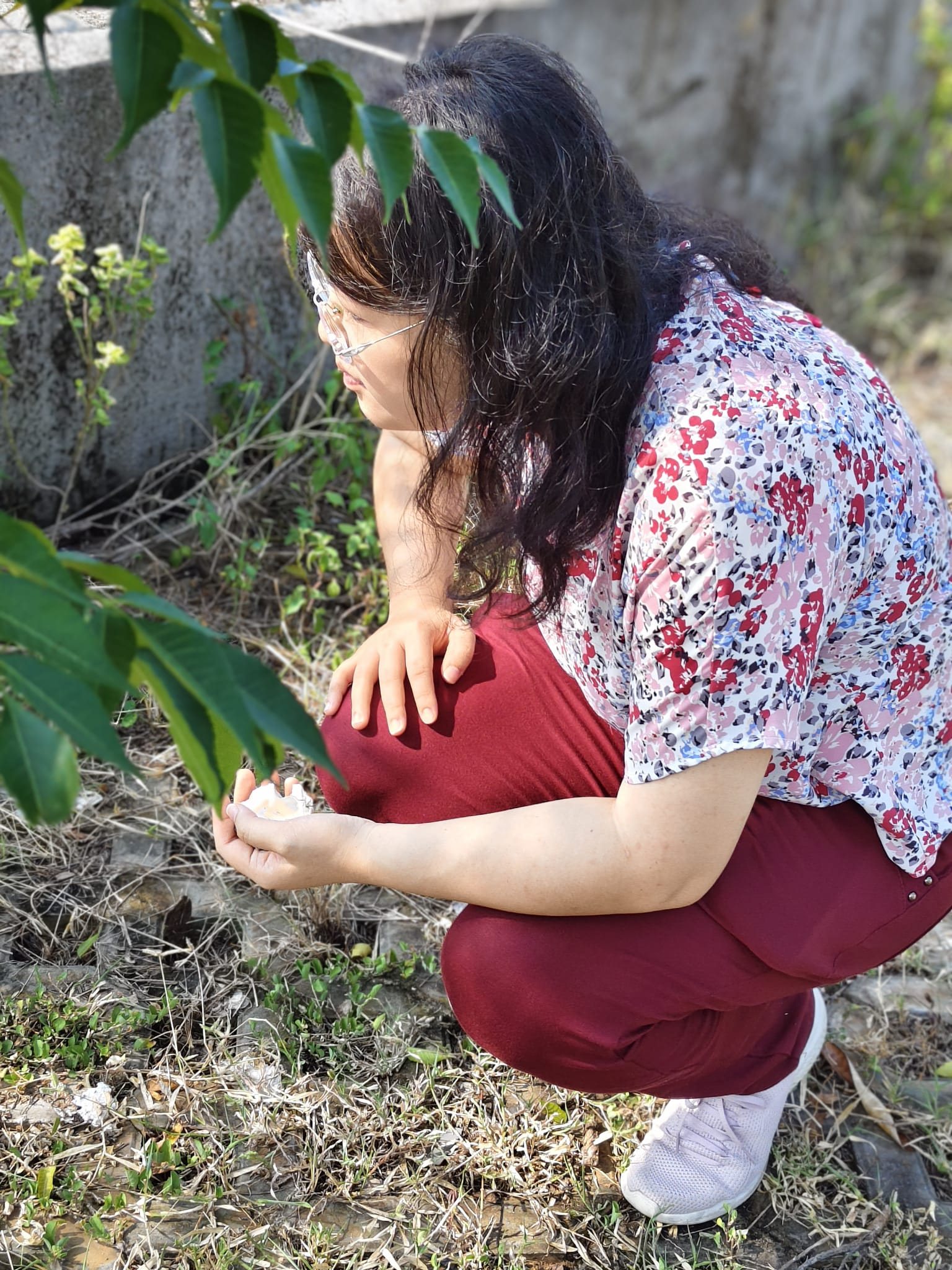
The fourth site was a mangrove restoration area operated by 4IO, a Poni Group MOU partner. During the visit, the ASTARI representatives were accompanied by Dr Xu Li from 4IO and Professor Zhou Haolang.
Discussions focused on practical considerations for successful restoration, including site selection, protective measures, monitoring mangrove recovery and collecting blue carbon data.
These elements are essential to assessing restoration progress and understanding the environmental benefits of mangrove ecosystems. Monitoring and data collection can also provide an evidence base for evaluating project outcomes and informing future restoration strategies.
The visit gave ASTARI an opportunity to examine how these considerations are applied in the field, providing practical lessons that could help guide potential initiatives in Brunei.
ASTARI expressed its appreciation to 4IO and Poni Group for facilitating the exchange and sharing insights into approaches that support mangrove restoration and coastal resilience.
Applying regional experience to Brunei
Across the four sites, the visits highlighted different but complementary aspects of mangrove conservation, from laboratory research and experimental aquaculture to large-scale ecosystem restoration and field monitoring.
For ASTARI, the experience reinforced the importance of combining scientific evidence with local validation when developing environmental initiatives. Restoration methods that have demonstrated potential elsewhere must still be assessed against local ecological conditions and operational requirements before they can be adapted successfully.
The exchange also highlighted the value of collaboration between research institutions, industry partners and communities in translating environmental knowledge into practical outcomes.
As ASTARI continues to develop its work in marine research and environmental initiatives, the knowledge gained in Guangxi could help inform future exploration of mangrove restoration, blue carbon assessment and sustainable aquaculture opportunities in Brunei.
By building on scientific research, strengthening partnerships and learning from established restoration models, ASTARI aims to contribute to nature-based solutions that support healthier coastal ecosystems and long-term environmental resilience.